
In Memoriam:
Dr. Gregory Fowler, who taught genetics and humanities, advocated on bioethics, and who also performed as a bass baritone singer and organized chamber music concerts, died on Sept. 19 in Lake Oswego, Oregon. He was 87. The cause was complications from Parkinson’s.
Anyone who met Greg for five minutes knew what he was about. “Virtually no part of our individual and collective lives will remain untouched by the genetic revolution,” he wrote in a 2000 op-ed for The Oregonian. Greg’s life work was teaching the science of genetics and raising awareness about its many promises and potential pitfalls. As his sister put it, Greg sold genetics to the world, to which he brought a notable intensity, intellectual curiosity, and even a sense of humor. Indeed, he was evangelizing genetics to his caregivers in his final days. “I was able to visit with Greg. He told me about Gattaca and his current needs/wants,” wrote the hospice nurse in her care journal.
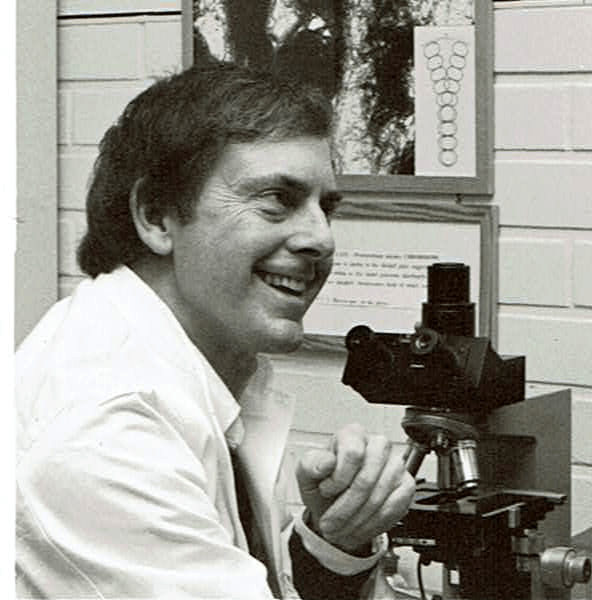 In 1969, after completing his PhD at Brown University, Greg moved to Oregon for postdoctoral studies at University of Oregon with Dr. Edward Novitski, where he researched the genetics and biology of drosophila. After a Humboldt fellowship took him to the University of Dusseldorf in Germany, Greg returned to Oregon in 1976 to teach at Southern Oregon University as a Professor of Biology, and later he was also the Founder and Director of the Churchill Scholars Honors Program there. He received grants from the National Institutes of Health, Fulbright, Department of Energy, the Collins Medical Trust, and other funders to support his work and collaborations with researchers at the City of Hope, UC San Francisco, the University of Turku, Finland, and at Dartmouth, many of whom became close friends and colleagues over the course of his life.
Greg retired in 1998 and moved to the Portland area, where he created Geneforum, a non-profit organization dedicated to promoting dialogue on genetics, ethics, and values. Geneforum took part in the state’s debate on genetic privacy, culminating in the passage of the country’s first law to protect an individual’s rights in genetic information. He was an Affiliate Associate Professor in the Department of Public Health and Preventive Medicine at Oregon Health and Science University and a Senior Research Associate in the School of Community Health at Portland State University. Greg was also a Chautauqua Scholar of the Oregon Council for the Humanities where he worked annually with hundreds of high school students and traveled to communities throughout the state to lead public discussions on the societal implications of genetics. During this time of teaching, lecturing, and meeting with policy makers, Greg was most proud of his work developing a curriculum for science teachers, called Genomics for Everyone. This website is the embodiment of his legacy to educate the public about the implications of genomics.
While he taught that DNA is the blueprint of life, Greg believed music defined the human condition. In his notes, he kept a copy of a paper on music written and sent to him by fellow Oregonian John Frohnmayer, a former chairman of the National Endowment for the Arts, underlining “…music holds within itself a universality, a gentility, and a respect for the human spirit that has the potential to transcend political boundaries and reunite us in a renewed appreciation of human frailty and human achievement.”
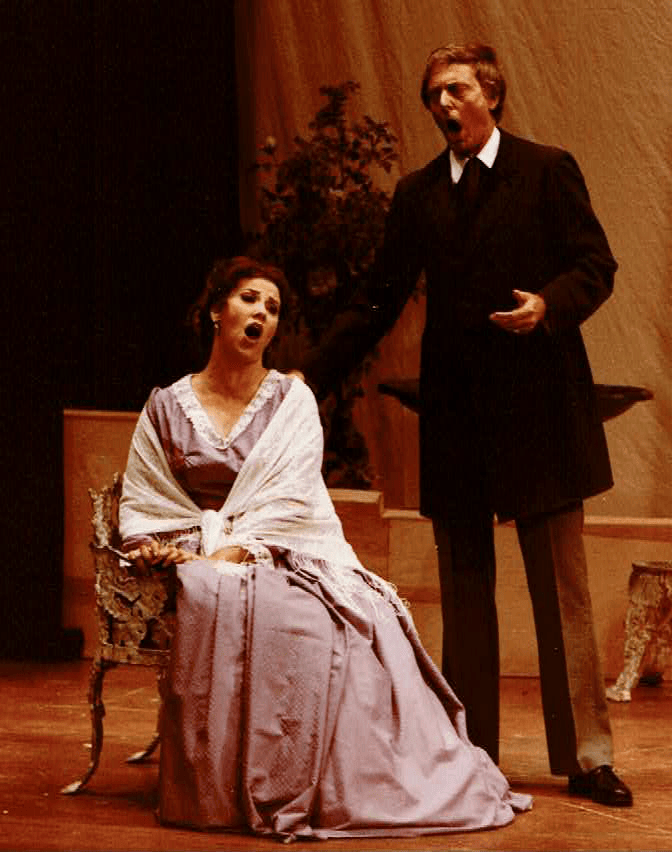 Years of classical piano training in his youth laid the foundation for Greg’s lifelong passion for music. As a bass baritone singer, Greg studied voice with David Laurent while a student at Brown and then with the famed vocal coach Gibner King, who lived in Portland. He soloed with the Catholic University Chorale Society and Orchestra in Washington, D.C., the Chamber Music Society of Schloss Benrath in Dusseldorf, Germany, and at the Sibelius Museum in Turku, Finland. Greg was a guest soloist with the Rogue Valley Chorale in works of Bloch, Brahms, Faure, and Verdi. He also made numerous solo and ensemble recital appearances at the Britt Classical Festival and at other venues in the Rogue Valley and around the state. He sang the roles of Germont and Tonio in the Rogue Valley Opera productions of La Traviata and I Pagliacci. He gave a recital of Brahms’ chamber work for voice and piano, Die Magelone Lieder, with SOU pianist Frances Madachy and Oregon Shakespeare Festival actor, Mark Murphey narrating (see news clipping). Greg’s last performance, the Verdi Requiem with Yair Strauss conducting the Rogue Valley Symphony and Chorale, can be seen on YouTube.
In 1984, Greg founded Chamber Music Concerts in Ashland, overseeing 15 seasons as the organization’s artistic director. Greg delighted in all aspects of the series, working with the performers and their managers, fundraising and promoting, and collaborating with other festivals in the state. However, it was the shared love of music in the CMC community of fellow board members, volunteers, and audiences that gave him the most satisfaction. During his tenure, the series featured over 50 renowned ensembles from both the US and abroad performing more than 300 works from the finest chamber music repertoire. Today CMC continues to bring the joy of classical music to audiences in the Rogue Valley, despite interruptions to in-person concerts by the ongoing pandemic.
 Greg was born in Wichita, Kansas on Aug. 19, 1934 to Robert and Mildred Fowler. He grew up working in the family’s drug store, Fowler Sundries, where he intentionally messed up ice cream sundaes for his own enjoyment, performed with his jazz combo, and listened to the latest opera recordings with his friends.
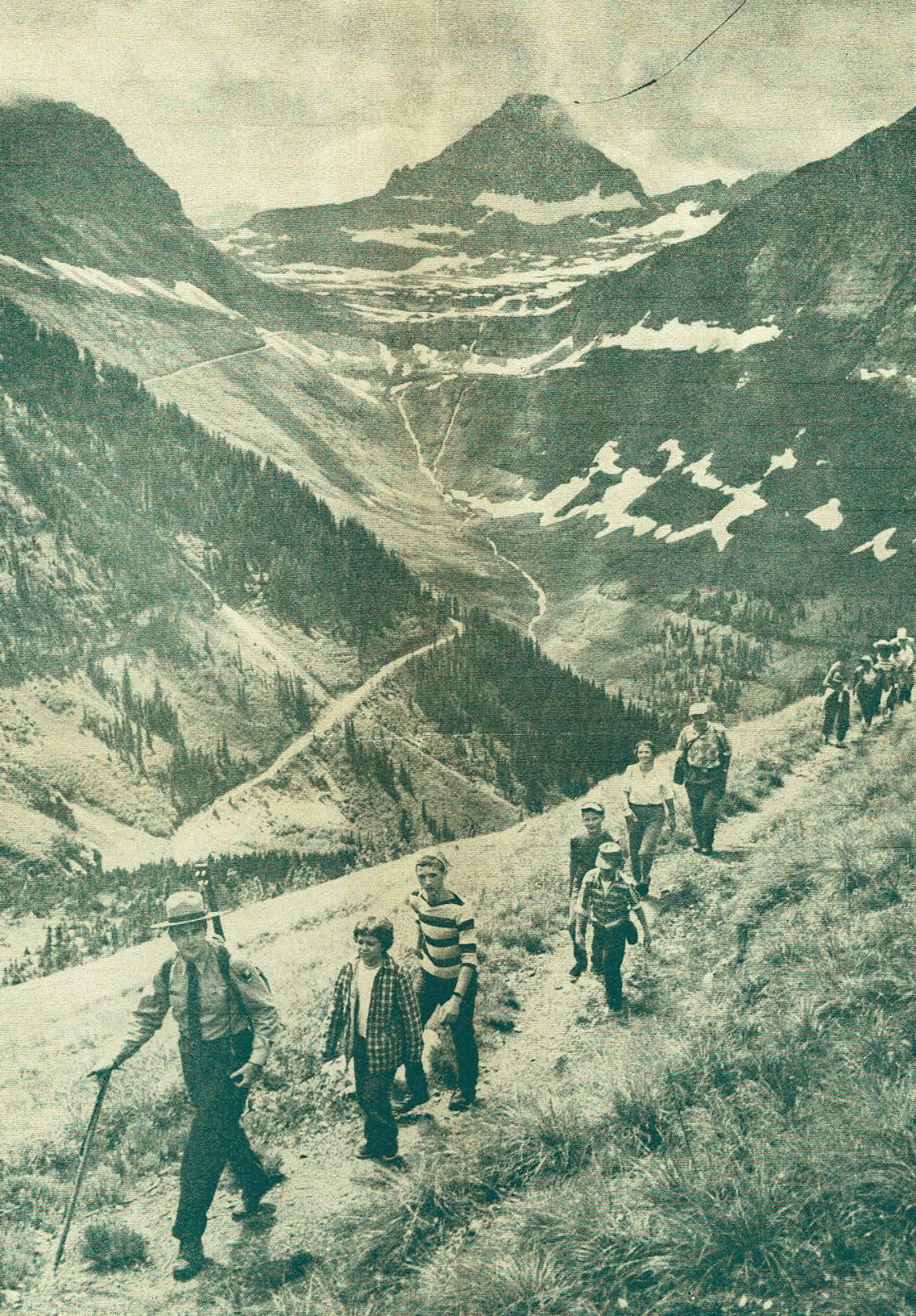
Greg enjoyed the outdoors and nature, which began with family trips to the Rockies, and became a lifelong avocation after stints as a ranger in Glacier National Park (see photo of Greg with his guitar leading a group on the Granite Park Chalet trail). Cross country skiing and backpacking were among his favorite activities in Oregon.
Greg is survived by his wife, Janet, and their sons, Alexander and Andrew; four grandchildren; his sister, Kay Whaley, and nephews Erick Herman and Paul Whaley.